What You Need to Know for Effective Pest Control for Bed Bugs
Successful bed bug pest control demands a thorough knowledge of their behavior and habits. Detecting the signs of an infestation plays a vital role in early action. Preventative measures can greatly reduce the risk of an outbreak. While many consider DIY methods, professional solutions often yield more dependable results. Understanding the nuances of treatment effectiveness can make all the difference. What strategies can one implement to guarantee lasting success against these persistent pests?
Recognizing Bed Bugs: Key Signs and Symptoms
What are the signs of bed bug activity in their home? Spotting these creatures can be difficult yet critical for prompt treatment. Telltale signs consist of miniature, brownish-red pests, commonly likened to apple seeds, hiding in crevices or seams of mattresses and furniture. Their droppings manifest as minuscule black dots on bedding or surfaces. Moreover, molted skins are often located, signaling an increasing presence.
Bites on the skin, frequently appearing in clusters or rows, can indicate bed bug infestation, causing itching and discomfort. Such bites usually happen at night when the insects are at their most active. A distinct musty scent may also come from heavily affected areas, resulting from the insects' scent glands. By staying alert to these warning signs, one can effectively identify the presence of bed bugs and act accordingly to resolve the problem.
Proven Prevention Methods for Bed Bug Infestations
Proven prevention techniques for bed bug infestations are important for preserving a pest-free residential environment. Regular inspection of sleeping areas, including mattresses and box springs, can help identify signs of bed bugs early. Minimizing clutter throughout the home limits the available hiding places for these insects. During travel, people should carefully examine hotel accommodations and position luggage on raised platforms, such as luggage racks. Cleaning and drying bedding and apparel using high heat settings can destroy any lurking bed bugs. Closing off gaps and openings in walls and furnishings can further help prevent infestations. Moreover, installing protective covers over mattresses and pillows can block bed bugs from infiltrating. Educating all household members about bed bug awareness and their signs is essential to guarantee prompt action if an infestation is suspected. By adopting these effective methods, people can substantially minimize the chances of bed bug incidents in their living spaces.
Leading Products for Bed Bug Prevention
An effective approach to bed bug prevention includes using a variety of specialized products created to keep these pests at bay. One effective option is mattress encasements specifically designed for bed bugs, which establish a shield that keeps bed bugs from accessing or exiting mattresses and box springs. In addition, bed bug interceptors can be placed under furniture legs to capture bugs as they try to ascend.
Purpose-formulated insecticide sprays targeting bed bugs are also vital, providing a straightforward approach to eradicate any current infestations. Moreover, diatomaceous earth, a natural powder, can be applied in cracks and crevices to dehydrate and kill bed bugs upon contact. Essential oils, such as tea tree oil or lavender, may serve as natural deterrents, although their effectiveness can vary. Regular use of these products, in combination with proactive monitoring, greatly enhances one's ability to prevent a bed bug infestation.
Bed Bug Treatment: Expert vs. DIY Methods?
When considering bed bug management, individuals often debate whether to enlist professional services or tackle the issue through DIY methods. Expert pest control companies frequently offer a thorough approach, employing advanced tools and professional knowledge to identify and eliminate bed bugs effectively. Such services commonly include service guarantees and subsequent inspections, ensuring that infestations are completely addressed.
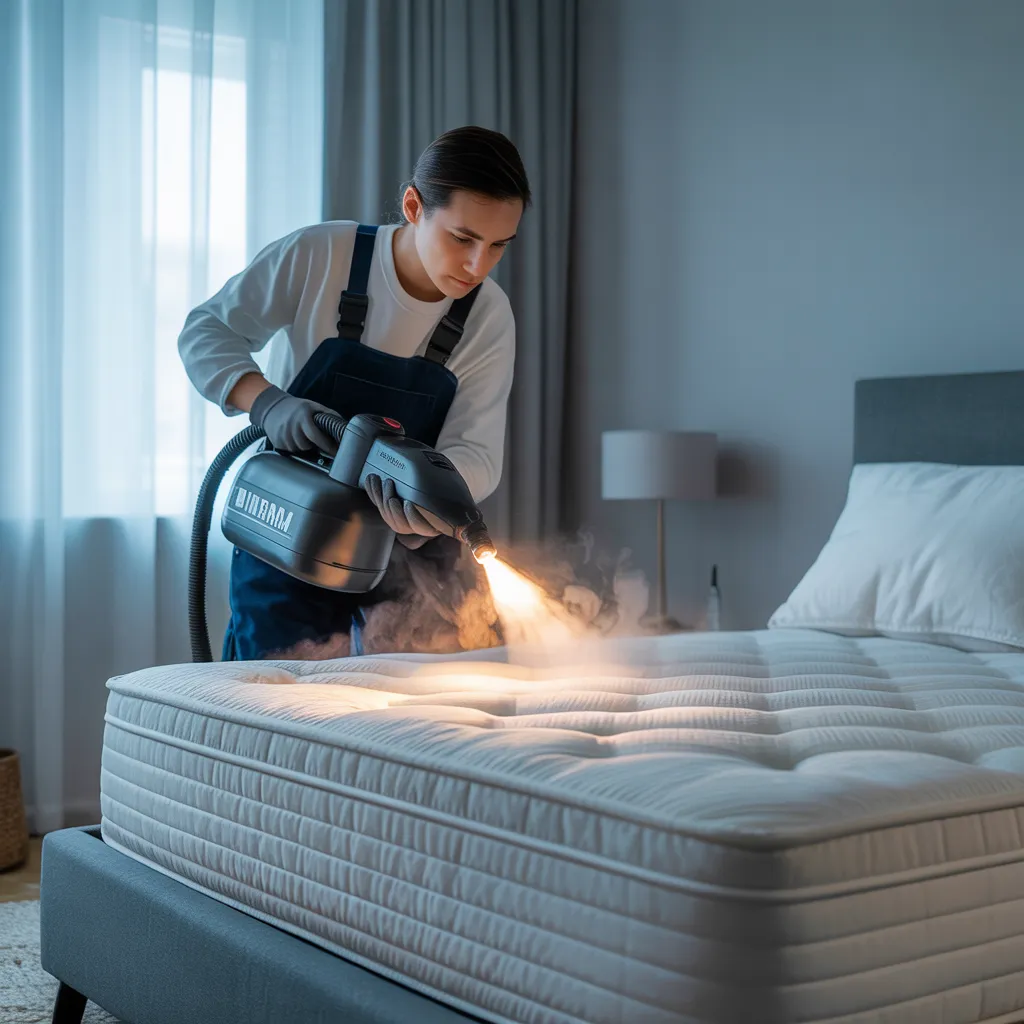
That said, DIY methods can be attractive for those seeking affordable options. Residents may employ various techniques, such as heat treatments, steam treatment, and the application of store-bought chemical treatments. However, these approaches call for persistence and a strong grasp of bed bug behavior to be effective.
In the end, the decision between professional services and do-it-yourself methods depends on the extent of the infestation, financial limitations, and the homeowner's readiness to dedicate time and energy. Weighing the pros and cons of each option is essential for achieving successful bed bug control.
How to Evaluate the Success of Your Bed Bug Treatment
How can one truly determine if their bed bug treatment has been successful? Evaluating the effectiveness of bed bug treatment involves several key steps. First, monitoring for live bed bugs is essential. After treatment, individuals should inspect their sleeping areas regularly, looking for signs such as shed skins, eggs, or feces. Utilizing bed bug detectors, such as traps or canine inspections, can provide additional confirmation.
Additionally, it is important to observe reported bite incidents. A decline in essential resource reported bites may indicate successful elimination. Moreover, the timeframe of surveillance should span multiple weeks following treatment, as eggs may take time to hatch.
Finally, documenting results plays a key role. Logging inspections and treatments supports progress tracking and directs future measures. If signs persist after multiple treatments, consulting a pest control professional may be necessary to re-evaluate the strategy.
Common Questions and Answers
How Long Are Bed Bugs Able to Live Without Food?
Bed bugs are generally capable of surviving without a blood meal for approximately two to six months, based on the surrounding environmental conditions. In lower temperature environments, their metabolism decreases in speed, permitting prolonged survival without the need for a blood meal.
Are Bed Bugs Capable of Spreading Diseases to Humans?
Bed bugs do not transmit diseases to humans. While their bites can cause discomfort, itching, and allergic reactions, they are not recognized carriers of pathogens responsible for serious illnesses, making them primarily a nuisance rather than a health threat.
Do Bed Bugs Exclusively Inhabit Beds?
Bed bugs are not confined to beds; they are capable of infesting numerous areas, including couches, rugs, and narrow gaps. Their adaptability allows them to survive in multiple environments, often hiding close to human hosts.
What Steps Should I Take if I Travel Following a Bed Bug Infestation?
Once a bed bug infestation has occurred, one should carefully examine bags and garments, clean all items using hot water, and use protective covers for bags. Refrain from placing your items on hotel beds until the area has been verified as bed bug-free.
How Can I Prevent Bed Bugs From Hitching a Ride on Luggage?
To prevent bed bugs from hitching a ride on luggage, travelers ought to examine their bags prior to packing, use protective covers, keep luggage off the floor, and avoid placing bags on hotel beds or upholstered furniture.
Comments on “Why a Bed Bug Exterminator Can Protect Your Home”